Understanding Key Workplace Safety Terms: A Comprehensive Guide
Understanding Key Workplace Safety Terms: A Comprehensive Guide
This article aims to clarify essential workplace safety terms, focusing on employer responsibilities and the importance of a strong safety culture. Understanding these terms is crucial for creating a safer and more productive work environment. Ignoring these aspects can lead to accidents, injuries, and legal repercussions.
Hazard Identification and Risk Assessment: The Foundation of Workplace Safety
Before any safety measures can be implemented, hazards must be identified and assessed. Hazard identification involves systematically searching for potential dangers in the workplace. This includes physical hazards like tripping hazards or exposed machinery, chemical hazards such as exposure to toxic substances, biological hazards like bacteria or viruses, ergonomic hazards resulting from repetitive movements or awkward postures, and psychosocial hazards related to stress, harassment, or bullying.
Once hazards are identified, a risk assessment evaluates the likelihood and severity of harm associated with each hazard. This process helps prioritize safety interventions, focusing resources on the most significant risks. A thorough risk assessment considers the frequency of exposure, the potential for injury, and the severity of the consequences. This process is foundational to effective safety management and is often a legal requirement.
The Importance of Proactive Safety Measures
Proactive risk assessment is far more effective than reactive measures. Addressing potential hazards before an accident occurs significantly reduces the risk of injury and improves overall workplace safety. It's far better to identify and mitigate a risk than to handle the consequences of an accident. Think of it like preventative maintenance on a machine—it's much cheaper and safer to perform regular maintenance than to deal with a catastrophic failure.
Key Safety Terms and Employer Responsibilities
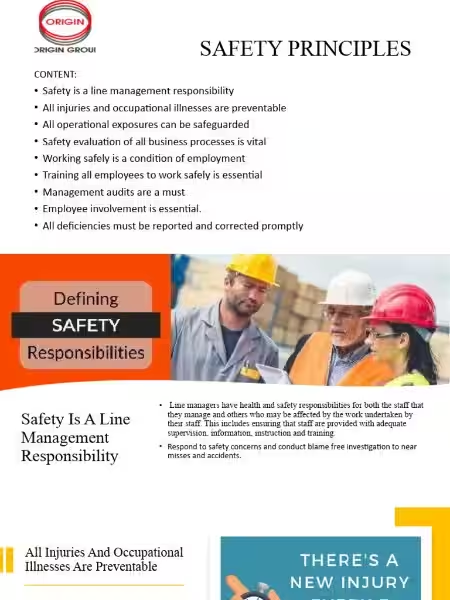
This section details key safety terms and highlights the crucial role employers play in maintaining a safe workplace. Employers have a legal and moral obligation to ensure the safety and well-being of their employees. Neglecting these responsibilities can result in significant penalties and, more importantly, avoidable injuries.
Personal Protective Equipment (PPE) and its Proper Use
Personal Protective Equipment (PPE), such as safety helmets, gloves, safety glasses, and respirators, plays a vital role in protecting workers from hazards. Employers are responsible for providing appropriate PPE, ensuring its proper use, and maintaining its condition. Simply providing PPE isn't enough; employees must be trained on how to use it correctly and when it's necessary. Regular inspections and replacements are also crucial to ensure that PPE continues to offer adequate protection.
Emergency Action Plan (EAP) and Safety Data Sheets (SDS)
A comprehensive Emergency Action Plan (EAP) is essential for handling emergencies like fires, chemical spills, or medical emergencies. This plan should clearly outline procedures for evacuation, emergency contact information, and the location of safety equipment. Regular drills are necessary to ensure employees are familiar with the plan and can react effectively during a real emergency.
Safety Data Sheets (SDS) provide detailed information on hazardous materials used in the workplace. Employers must provide access to SDS for all hazardous substances and ensure employees understand the potential hazards and necessary safety precautions. This includes information on handling, storage, emergency procedures, and health effects. Ignoring this responsibility can have serious consequences.
Lockout/Tagout (LOTO) Procedures and Confined Space Entry
Lockout/Tagout (LOTO) procedures are crucial for preventing accidental starts of machinery during maintenance or repairs. These procedures ensure that energy sources are isolated and equipment is secured before anyone can work on it. Strict adherence to LOTO procedures is critical to prevent serious injuries or fatalities.
Confined space entry requires specific safety precautions due to potential hazards such as oxygen deficiency, toxic gases, and engulfment. Employers must implement a permit-required confined space program that includes hazard identification, atmospheric monitoring, rescue plans, and appropriate training for personnel entering these spaces. This is a high-risk area that demands rigorous safety protocols.
Other Crucial Safety Terms: A Summary
Several other key safety terms emphasize proactive and reactive safety measures:
Accident/Incident Investigation: Thorough investigation is required to determine root causes and prevent recurrence.
OSHA Compliance: Adherence to Occupational Safety and Health Administration regulations is mandatory.
Ergonomics: Designing workspaces to prevent musculoskeletal disorders is essential.
Near Miss Reporting: Encouraging reporting of near misses helps identify potential hazards early.
Fall Protection: Implementing measures like guardrails and safety nets is crucial in high places.
First Aid Provision: Providing trained personnel and readily available first aid kits is vital.
Workplace Violence Prevention: Implementing policies to prevent and address workplace violence is a legal and ethical imperative.
Job Hazard Analysis (JHA): Proactively identifying hazards in job tasks before incidents occur.
Respiratory Protection: Providing and ensuring proper use of respiratory protection equipment where necessary.
Machine Guarding: Ensuring machines have and use appropriate safety guards to prevent injuries.
Workplace Safety Training: Regular and relevant safety training for all employees is paramount for a successful safety program.
Fostering a Strong Safety Culture: The Key to Long-Term Success
Ultimately, the most effective workplace safety program relies on a strong safety culture. This involves creating an environment where safety is a shared value and priority at all levels of the organization. Open communication, employee participation, and management commitment are all essential elements of a successful safety culture. Safety is not just a set of rules; it's a mindset that needs to be ingrained in everyday work practices. A robust safety culture significantly reduces workplace accidents, fosters a positive work environment, and protects both employees and the company's bottom line. Remember, safety is everyone's responsibility.
Here are some frequently asked questions about key workplace safety terms and employer responsibilities:
What is Accident Investigation, and why is it important?
Accident investigation involves a systematic process of examining workplace accidents to determine their root causes. This is crucial for preventing similar incidents from happening again. Employers are legally obligated to investigate all accidents to identify contributing factors and implement corrective actions.
How do I identify and assess hazards in the workplace?
Hazard Identification involves recognizing potential dangers in the workplace, classifying them (physical, chemical, biological, ergonomic, psychosocial), and then conducting a Risk Assessment to determine the likelihood and severity of harm. This allows employers to prioritize hazard control measures.
What is Personal Protective Equipment (PPE), and what is the employer's role?
PPE refers to safety gear like helmets, gloves, and safety glasses. Employers are responsible for providing appropriate PPE, ensuring its proper use, and training employees on its correct application and limitations.
What is OSHA Compliance, and why is it important?
OSHA Compliance means adhering to the regulations set by the Occupational Safety and Health Administration. This is vital for maintaining a safe workplace and avoiding potential fines or legal repercussions.
What is an Emergency Action Plan (EAP)?
An EAP is a written plan outlining procedures for emergencies like fires, evacuations, or chemical spills. It should be well-practiced and readily accessible to all employees.
What is Lockout/Tagout (LOTO), and why is it essential for safety?
LOTO procedures ensure that machinery is safely shut down and locked out during maintenance to prevent accidental startup and injuries. Proper implementation of LOTO is critical for preventing serious accidents.
What role does Ergonomics play in workplace safety?
Ergonomics focuses on designing workplaces and job tasks to minimize musculoskeletal disorders. This includes proper workstation setup, lifting techniques, and the use of ergonomic tools to reduce strain and injury.
What are Safety Data Sheets (SDS), and why are they important?
SDSs provide detailed information about hazardous materials used in the workplace, including their properties, hazards, and handling instructions. They are crucial for employee safety and compliance.
Near miss reporting involves documenting incidents that almost resulted in an accident. This proactive approach helps identify potential hazards before they cause harm, allowing for preventative measures to be taken.
How does Confined Space Entry require special safety procedures?
Confined spaces present unique hazards due to limited access and potential for oxygen deficiency or hazardous atmospheres. Specific entry procedures, including atmospheric monitoring and rescue plans, are necessary.
What are common Fall Protection measures?
Fall protection involves measures to prevent falls from heights, such as guardrails, safety nets, and personal fall arrest systems. Employers are responsible for providing and enforcing these measures.
What is the employer's responsibility regarding First Aid?
Employers must provide trained first aid personnel and readily accessible first aid kits to attend to workplace injuries.
How can Workplace Violence be prevented?
Workplace violence prevention involves establishing policies and procedures to create a safe and respectful work environment, including training on conflict resolution and reporting procedures.
What is the difference between Incident and Accident Investigation?
While both involve examining events, Incident Investigation is broader, encompassing near misses and other safety-related occurrences, while Accident Investigation focuses specifically on incidents resulting in injury or damage.
What is meant by a strong Safety Culture?
A strong safety culture is one where safety is a shared value and priority at every level of the organization. It requires commitment from management and active participation from all employees.
What is a Job Hazard Analysis (JHA)?
A JHA is a systematic process of identifying potential hazards associated with specific job tasks before they occur, enabling the implementation of control measures.
Why is Respiratory Protection important?
Respiratory protection is critical in workplaces with airborne hazards, providing employees with equipment like respirators to protect their lungs from harmful substances.
How does Machine Guarding contribute to workplace safety?
Machine Guarding involves using safety guards and interlocks on machinery to prevent accidental contact and injury.
What type of Workplace Safety Training should employers provide?
Employers should provide regular, relevant safety training to all employees covering topics such as hazard recognition, PPE use, emergency procedures, and specific hazards related to their jobs.