Understanding Safety Principles: A Foundation for a Secure and Successful Workplace
Understanding Safety Principles: A Foundation for a Secure and Successful Workplace
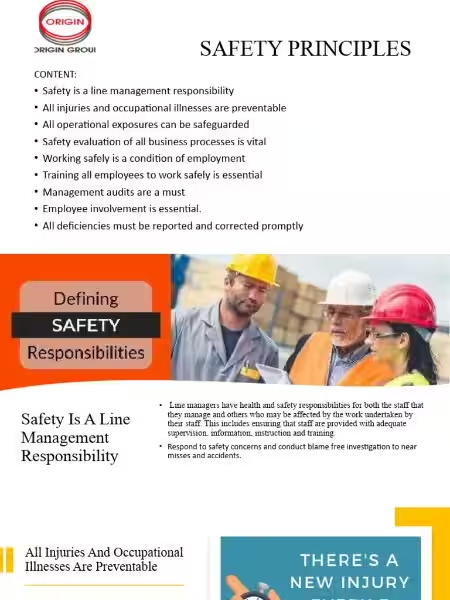
Many businesses wonder how to best ensure a safe working environment. The answer lies in understanding and implementing robust safety principles. A safe workplace isn't just ethically sound; it's a cornerstone of business success, directly impacting profitability and long-term sustainability. This article explores the key safety principles necessary for creating a secure and productive environment.
The statement "A safe workplace is sound business" perfectly encapsulates the economic benefits of prioritizing safety. While the ethical and legal obligations are paramount, the financial implications are equally crucial. Workplace accidents generate substantial costs, impacting even the most financially stable organizations.
These costs are broadly categorized into direct and indirect expenses. Direct costs are readily identifiable and quantifiable, including medical bills, workers' compensation payouts, repairs to damaged equipment, and material replacement. These can severely strain smaller businesses with limited financial reserves. A single significant accident, for example, could wipe out a small company's profit margin for the entire year.
Indirect costs, however, often exceed direct costs and are more challenging to measure. These include lost productivity from employee absences, time spent on accident investigations, training costs for replacement staff, decreased employee morale, potential legal fees, and reputational damage that can hinder future business prospects. The ripple effect of an accident can significantly impact efficiency and damage client trust.
Beyond the Numbers: Ethical and Legal Obligations
Beyond the financial arguments, a strong ethical imperative drives the need for workplace safety. Employers have a fundamental duty of care to provide a secure environment for their employees. This isn't optional; it's a legal requirement. Specific regulations and legislation vary by region, but all jurisdictions mandate employer responsibility for hazard identification, risk assessment, and the implementation of adequate control measures. Failure to comply can result in substantial fines, legal battles, and even criminal charges. Ignoring safety principles is not only irresponsible but also risky from a legal standpoint. This underscores the importance of proactive safety management, moving beyond mere compliance to a culture of genuine care.
Implementing an Effective Safety Management System
Building a truly safe workplace requires a comprehensive and well-structured safety management system. This involves a multi-faceted approach encompassing several key aspects.
Hazard Identification and Risk Assessment
The cornerstone of any successful safety program is a thorough process of hazard identification and risk assessment. This involves systematically identifying potential dangers within the workplace and evaluating the likelihood and severity of harm they might cause. This isn't a one-time exercise; it's an ongoing process requiring regular review and updates. Employee involvement is crucial in this step, as their on-the-ground perspective often identifies hazards that might be overlooked by management. Engaging employees fosters a sense of shared responsibility and ownership of safety.
Once hazards are identified and assessed, appropriate control measures must be implemented to eliminate or significantly reduce the risks. These controls can be categorized into three levels:
Engineering controls: These involve modifying the workplace environment or equipment to eliminate hazards at the source. Examples include installing safety guards on machinery, improving ventilation systems, or implementing ergonomic workstations.
Administrative controls: These involve changes to work procedures, policies, or practices to minimize risk. Examples include establishing safe work permits, implementing lockout/tagout procedures, or providing clear instructions and training.
Personal Protective Equipment (PPE): While PPE is crucial, it should always be considered a last line of defense. It should supplement, not replace, engineering and administrative controls. Training on the proper use and maintenance of PPE is essential.
Training, Education, and Ongoing Development
Training and education are not one-off events; they're an ongoing process. Employees must receive comprehensive training on safe work practices, the use of PPE, and emergency procedures. Regular refresher courses and updates are vital to ensure that knowledge and skills remain current and relevant. Effective training goes beyond simple instruction; it fosters a safety-conscious mindset.
Monitoring, Auditing, and Continuous Improvement
The effectiveness of the safety management system must be continuously monitored and audited. Regular inspections, accident investigations, and safety meetings are vital for identifying areas for improvement and preventing future incidents. A proactive approach to safety means constantly seeking ways to refine protocols and enhance worker protection. This continuous improvement cycle is crucial for maintaining a safe and productive workspace.
Incident Reporting and Investigation
A robust system for reporting and investigating accidents and near misses is critical. This allows organizations to identify root causes, prevent recurrence, and learn from mistakes. A culture of open reporting, where employees feel comfortable reporting incidents without fear of retribution, is crucial. A thorough investigation isn't about blame; it's about understanding what happened and preventing it from happening again. Safety principles dictate that every incident is an opportunity to improve.
Fostering a Positive Safety Culture: The Heart of Effective Safety Management
Beyond the practical aspects of safety management, creating a positive safety culture is paramount. This means fostering a proactive approach where employees feel empowered to identify and report hazards, management demonstrates a visible commitment to safety, and safety is integrated into every aspect of the business operations. This isn't just about following regulations; it's about deeply embedding safety into the organization's values and decision-making processes. A strong safety culture is the ultimate safeguard, ensuring not only compliance but also a workplace where employees feel valued, protected, and empowered to contribute to a safe and productive environment. By prioritizing safety principles, businesses invest in their employees, enhance productivity, and build a more profitable and sustainable future.
Safety Principles FAQ
What is the business case for prioritizing workplace safety?
A safe workplace isn't just ethically responsible; it's economically sound. Prioritizing safety significantly reduces direct costs like medical expenses, workers' compensation, property damage, and equipment replacement. More importantly, it minimizes substantial indirect costs such as lost productivity from employee absences, investigation time, and the expense of training replacements. A strong safety record also protects your reputation and avoids potential legal fees. In short, a safe workplace is a profitable workplace.
What are the legal and ethical obligations regarding workplace safety?
Employers have a legal and ethical duty to provide a safe working environment. This involves adhering to relevant legislation and regulations (which vary by region) that mandate hazard identification, risk assessment, and the implementation of control measures. Failure to comply can result in significant fines and even criminal charges. Beyond legal requirements, ethical responsibility dictates a commitment to employee well-being and minimizing the risk of harm.
How do I identify and assess hazards in my workplace?
Hazard identification and risk assessment are crucial first steps. This involves systematically identifying potential hazards and evaluating the likelihood and severity of harm they pose. Actively involve your employees in this process; their on-the-ground perspective is invaluable. Consider all aspects of the workplace, from machinery and equipment to work processes and the environment.
What control measures can I implement to mitigate risks?
Once hazards are identified, implement control measures to eliminate or minimize risks. These can include engineering controls (e.g., safety guards on machinery), administrative controls (e.g., safe work procedures and improved task allocation), and personal protective equipment (PPE). The most effective approach often involves a combination of these strategies, prioritizing the elimination of hazards whenever feasible.
How important is employee training and education in safety?
Comprehensive training and education are essential. Employees must understand safe work practices, proper use of PPE, and emergency procedures. Regular training and refresher courses ensure continued competence and awareness. Effective training programs must be tailored to the specific needs and risks of your workplace and involve active participation from your employees.
What role do monitoring and auditing play in maintaining workplace safety?
Regular monitoring and auditing are crucial to evaluate the effectiveness of your safety management system. This involves conducting regular inspections, investigating accidents and near misses, and holding safety meetings. This ongoing assessment identifies areas for improvement and ensures your safety protocols remain effective and up-to-date.
How should I handle incident reporting and investigation?
Establish a robust system for reporting and investigating accidents and near misses. This process should be straightforward and encourage open reporting without fear of reprisal. Thorough investigations identify root causes, prevent recurrence, and continuously improve safety protocols. Learn from incidents big and small to strengthen your overall safety program.
How do I foster a positive safety culture in my workplace?
Creating a positive safety culture is paramount. This involves a proactive approach where employees feel empowered to identify and report hazards, management demonstrates a visible commitment to safety, and safety is integrated into all business aspects. This cultural shift is essential for long-term success and sustainable profitability. Safety should be a core value, not just a goal.
What are the key elements of a well-structured safety management team?
A well-structured safety management team is crucial. This team should be carefully selected, with members possessing the appropriate skills, attitudes, and responsibilities tailored to the specific safety needs of your organization. A generic approach won’t work; your team must reflect your workplace’s unique challenges and priorities.
How crucial is communication in effective safety management?
Effective communication is bidirectional. "Downward communication" from management to employees must deliver clear and consistent messages. Equally important is "upward communication," where employees can easily report safety concerns. Open communication channels and receptive management are vital for proactive hazard identification and mitigation. This two-way communication ensures everyone is informed and involved in the safety process.