Designing a Winning Training Curriculum: A Comprehensive Guide
Designing a Winning Training Curriculum: A Comprehensive Guide
Developing a robust training curriculum is a critical task for any organization. It's more than just compiling training materials; it's a strategic process that ensures employee learning aligns perfectly with organizational goals. This guide will walk you through the essential steps in creating a training curriculum that truly delivers results.
Before even thinking about content, you must pinpoint the skills your employees need to improve. This involves a thorough needs assessment. Don't just guess; gather data.
Conduct surveys to understand employee perceptions of their skills and where they need improvement. Analyze performance data – look at metrics like error rates, productivity levels, and customer satisfaction scores to identify areas where training could boost performance. Finally, consider market analysis; what skills are in demand in your industry? This holistic approach ensures your training addresses real, impactful needs, rather than perceived ones. The resulting insights should be specific and clearly tied to your overall business goals.
This initial phase lays the groundwork for everything that follows. Without a clear understanding of the skills gap, your training is unlikely to be effective.
2. Defining Your Target Audience: Tailoring the Training
Once you've identified the need, clearly define who you're training. This isn't just about job titles; it's about understanding the specific roles, responsibilities, and existing skill levels of your target audience.
Review job descriptions and competency models to determine the knowledge, skills, and abilities (KSAs) required for successful job performance. This ensures your training directly addresses the needs of specific employee groups. Consider factors like prior experience, learning styles, and technological proficiency. A training program designed for entry-level employees will differ significantly from one designed for experienced managers. The more you understand your audience, the more effectively you can tailor your training to their needs.
The heart of any effective training curriculum lies in its learning objectives. These objectives must be SMART: Specific, Measurable, Achievable, Relevant, and Time-bound.
Avoid vague statements. Instead of "improve communication skills," aim for something like "Participants will be able to deliver a five-minute presentation on a technical topic, using clear and concise language, by the end of the training." This level of specificity ensures clear expectations and allows for precise measurement of success. These objectives must directly address the skill gaps identified in your needs assessment and contribute to observable improvements in employee performance. Connect your objectives to quantifiable results, making it easy to measure the training's impact.
4. Content and Materials: Building the Foundation
With SMART objectives in place, you can develop the actual training content and materials. Start by inventorying existing resources – presentations, manuals, case studies, etc. Then, identify any gaps.
A topic matrix, mapping objectives to specific content areas, can help ensure comprehensive coverage. This matrix provides a visual representation that ensures all learning objectives are addressed and helps avoid overlaps or omissions. You may need to supplement existing materials by creating new content, purchasing resources, or even inviting external experts to contribute specialized knowledge. The goal is to create engaging and relevant materials that support learning.
5. Assessment Strategies: Measuring Success
How will you know if your training is effective? This is where assessment strategies come in. Your training curriculum should outline various methods for evaluating learning outcomes and program effectiveness.
Include a variety of assessment methods – quizzes, presentations, demonstrations, projects, and even informal feedback mechanisms. The choice of methods should align with the learning objectives and the nature of the skills being taught. Integrate assessments throughout the training process – formative assessments during the training to provide ongoing feedback, and summative assessments at the end to gauge overall learning. Ensure assessments are fair, reliable, and valid measures of the skills and knowledge being taught.
6. Technology and Tools: Leveraging Resources
Technology plays a crucial role in modern training. Your curriculum should specify the technology and tools needed for delivery.
Consider learning management systems (LMS) to centralize content, track progress, and provide reporting capabilities. Other tools might include webinar software, collaboration platforms, or specialized simulation software. The choice of technology depends on your training needs, budget, and the technical skills of your participants. Ensure the technology is user-friendly and accessible to all learners.
7. Session Plan and Schedule: Structuring the Delivery
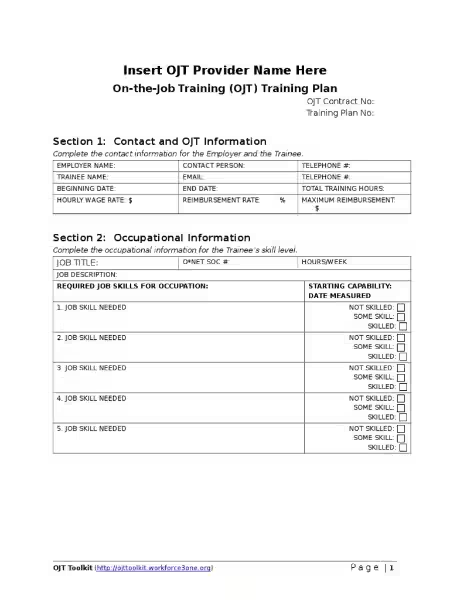
Finally, create a detailed session plan outlining session objectives, content, methods, timing, materials, and assessment strategies. This plan serves as the roadmap for trainers, ensuring consistency and quality.
Develop a clear schedule that considers participant availability and the complexity of topics. Optimize learning by grouping related content and sequencing topics strategically. Accommodate different learning styles and delivery methods (in-person, online, blended). A well-structured training curriculum, utilizing a training curriculum model that best suits your needs, will significantly impact its effectiveness. The entire process should be cyclical, with ongoing evaluation and improvement informing future iterations of the curriculum. Regular review and updates are essential to ensure your training remains relevant and effective over time.
Training Curriculum FAQ
What is a training curriculum and why is it important?
A training curriculum is a structured plan that outlines the learning objectives, content, methods, assessment strategies, and schedule for an employee training program. It's crucial because it ensures that training is aligned with organizational needs, effective in achieving its goals, and consistently delivered. A well-designed curriculum bridges the gap between identifying skill gaps and improving employee performance.
How do I begin developing a training curriculum?
The process starts with a needs assessment. This involves identifying skill gaps through methods like employee surveys, performance reviews, and market analysis. This assessment should provide concrete examples and align with the organization's overall goals. Next, define your target audience, understanding their roles, responsibilities, and existing skill levels to tailor the content appropriately.
What are SMART learning objectives and how do I create them?
SMART learning objectives are Specific, Measurable, Achievable, Relevant, and Time-bound. They clearly state what learners should know and be able to do after completing the training. For example, instead of "Learn about customer service," a SMART objective would be "By the end of the training, participants will be able to resolve 80% of customer inquiries independently within 5 minutes, as measured by a post-training skills assessment."
What should be included in the content and materials section of my curriculum?
This section details the specific topics covered, the learning resources used (presentations, manuals, videos, etc.), and how they align with the learning objectives. It's helpful to use a topic matrix to ensure comprehensive coverage of all relevant skills and knowledge. You should also identify any gaps in existing resources and plan how to address them (e.g., creating new materials, inviting guest speakers).
How do I assess learning outcomes and program effectiveness?
Your curriculum should outline various assessment methods, such as quizzes, presentations, practical demonstrations, projects, and informal feedback mechanisms. These assessments should align with your learning objectives and provide both formative (during training) and summative (at the end) feedback. This data is crucial for evaluating the training's impact on employee performance.
What technology and tools should I consider?
The choice of technology depends on your training's needs and resources. This might include a Learning Management System (LMS) for content delivery and progress tracking, video conferencing software for online sessions, collaborative tools for group activities, or other digital resources. Consider factors like accessibility and ease of use for your target audience.
How do I create a detailed session plan and schedule?
The session plan should outline the objectives, content, methods, timing, materials, and assessment strategies for each training session. The schedule should be realistic, considering participant availability and the complexity of the topics. It’s important to optimize learning by grouping related content and strategically sequencing topics to enhance understanding and retention.
How can I ensure my curriculum remains effective over time?
The curriculum development process should be cyclical. Regularly evaluate the program's effectiveness through feedback from participants and analysis of performance data. Use this feedback to revise and update the curriculum, ensuring it remains relevant, engaging, and effective in achieving its goals. This continuous improvement process is key to maintaining a high-quality training program.