Understanding the 1203 Hazmat Code: A Guide for Safe Handling and Transportation
Understanding the 1203 Hazmat Code: A Guide for Safe Handling and Transportation
This article delves into the complexities surrounding the 1203 Hazmat code, clarifying its meaning and importance in the safe handling and transportation of hazardous materials. We'll explore the information associated with this code, its implications for various industries, and the crucial role it plays in preventing accidents.
The 1203 Hazmat code itself doesn't directly define a single substance. Instead, it represents a classification within the hazardous materials transportation system. Think of it as a broad category rather than a specific chemical. The actual substance with this code will be specified separately, often within shipping paperwork. This number acts as a key identifier in the complex system of regulations governing the transport of dangerous goods. The specific substance associated with the 1203 Hazmat code will be detailed on the shipping documents, and it is crucial to refer to those documents for the exact substance. Ignoring this detail can lead to dangerous misunderstandings and unsafe handling procedures.
Understanding the broader classification is crucial for initial response and safety planning. The 1203 code suggests a certain level of hazard, requiring specific handling and transportation protocols to minimize the risk of accidents or environmental damage. Further investigation into the specific material identified with this code is necessary for complete safety protocols.
Understanding the Hazard Class System
The 1203 Hazmat code falls under a broader system of classification for hazardous materials. This system categorizes materials based on their inherent dangers, such as flammability, toxicity, or corrosiveness. Each hazard class mandates specific safety precautions during handling, storage, and transportation.
Understanding these classes is paramount for anyone involved in handling or transporting hazardous materials. Improper classification can lead to serious accidents and severe consequences. Regulations are strict, and adherence is crucial for safety. Misclassifying a substance can result in significant fines and even criminal charges.
Key Aspects of Hazard Class Regulations
Proper Shipping Names: Each hazardous material has a designated "proper shipping name," which must be accurately identified on shipping documents.
Packaging Requirements: Specific packaging standards exist for each hazard class to ensure safe containment and prevent leaks or spills.
Labeling Requirements: Clear and accurate labeling is mandatory, indicating the hazard class and providing warnings to handlers.
Emergency Response Procedures: Emergency response plans should be readily available and specific to the identified hazardous material.
The Importance of Accurate Identification
The accurate identification of the material associated with the 1203 Hazmat code is critical for safety. This identification goes beyond simply knowing the code itself; it necessitates understanding the precise chemical composition and its associated hazards.
An accurate identification is crucial to ensuring the appropriate safety measures are in place, including:
Personal Protective Equipment (PPE): Choosing the correct PPE, such as respirators, gloves, and protective suits, is dependent on the specific hazards of the material.
Emergency Procedures: Emergency response plans must be tailored to the specific risks of the material, including containment, evacuation, and cleanup.
Transportation Regulations: Different materials may have specific transportation requirements, including vehicle types, routing restrictions, and accompanying documentation.
Consequences of Misidentification
Misidentifying a material associated with the 1203 Hazmat code can have serious consequences, ranging from minor inconveniences to catastrophic failures.
Potential consequences include:
Accidents and Injuries: Improper handling of hazardous materials can lead to fires, explosions, or exposure to toxic substances, resulting in injuries or fatalities.
Environmental Damage: Spills or leaks can contaminate soil and water sources, causing irreversible damage to ecosystems.
Legal Penalties: Companies and individuals can face significant fines and legal repercussions for violating hazardous materials regulations.
Several resources can provide more specific information related to the 1203 Hazmat code and the safe handling of hazardous materials. These include:
The U.S. Department of Transportation (DOT): The DOT provides comprehensive regulations and guidance on the transportation of hazardous materials.
The Occupational Safety and Health Administration (OSHA): OSHA sets safety standards for handling hazardous materials in the workplace.
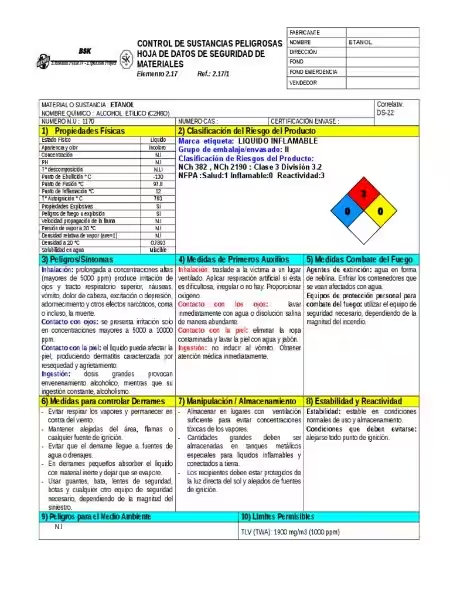
Material Safety Data Sheets (MSDS): MSDSs provide detailed information on the hazards and safe handling procedures for specific chemicals.
Remember: Always prioritize safety when handling or transporting hazardous materials. Proper identification, training, and adherence to regulations are crucial for preventing accidents and protecting human health and the environment. The 1203 Hazmat code serves as a reminder of the critical importance of accurate identification and careful handling procedures. Never hesitate to seek guidance from qualified professionals when dealing with hazardous materials.