Cargo packing is a critical aspect of logistics, directly impacting the safety and efficiency of your shipments. Whether you're a seasoned shipper or just starting out, understanding the nuances of proper cargo packing is essential to minimizing damage, avoiding delays, and ultimately, protecting your bottom line. This guide will explore various aspects of cargo packing, providing you with the knowledge and best practices to ensure a smooth transportation process.
Understanding the Importance of Proper Cargo Packing
Effective cargo packing isn't just about throwing your goods into a box; it's a strategic process that requires careful consideration of several factors. Failing to properly pack your cargo can lead to significant problems, ranging from minor damage to total loss of your goods. This not only results in financial losses but also damages your reputation and potentially impacts your relationships with clients and carriers.
A well-packed shipment, on the other hand, is far more likely to arrive at its destination safely and on time. This translates to increased customer satisfaction, reduced costs associated with damage claims, and increased efficiency in your overall logistics operation. The time and effort invested in learning and implementing effective cargo packing techniques will yield significant returns in the long run.
Choosing the Right Packaging Materials
The choice of packaging material is paramount and depends largely on the nature of your goods. Different materials offer varying levels of protection against various hazards.
Corrugated Cardboard
Corrugated cardboard is a widely used and cost-effective option suitable for a broad range of goods. Its affordability and ease of use make it a popular choice, but its protective capabilities vary depending on the thickness and flute type. Thicker cardboard provides better protection against impacts and compression.
You should select a cardboard with sufficient strength to withstand the rigors of transportation, considering the weight and fragility of your goods. Remember, always consider using additional internal cushioning for extra protection.
Wood
For heavier and more robust items, wood offers superior strength and durability. However, wood packaging is subject to strict phytosanitary regulations, which aim to prevent the spread of pests and diseases. These regulations vary by country and may require specific treatments to your wooden packaging before shipment.
Choosing the right type of wood and ensuring compliance with these regulations are crucial to avoiding delays and fines. Consult the relevant authorities and carriers for specific requirements.
Plastic
Plastic packaging offers versatility and water resistance, making it a good choice for items sensitive to moisture. The wide range of plastics available offers different levels of strength and protection. However, the environmental impact of plastic packaging is a growing concern, and you should consider more sustainable alternatives whenever possible.
Remember to select a plastic that is durable enough to protect your goods during transit and that is compatible with the contents. Additionally, ensure the plastic meets the requirements of the carrier and any relevant regulations.
Metal
Metal packaging provides the highest level of protection for highly valuable or sensitive goods. Its strength and resistance to damage make it ideal for fragile items or those susceptible to theft. However, metal packaging is generally heavier and more expensive, and it may not be suitable for all applications.
Remember that metal packaging can be heavy, increasing shipping costs. Carefully weigh the cost-benefit analysis before selecting metal as your primary packaging material.
Essential Cargo Packing Techniques
Beyond selecting the right materials, proper packing techniques are crucial to ensuring the safe arrival of your cargo.
Cushioning
Adequate cushioning is essential to minimize the impact of shocks and vibrations during transit. Use appropriate cushioning materials like bubble wrap, foam peanuts, or air pillows to surround your goods. Ensure that the cushioning material is properly distributed to provide even protection.
The amount of cushioning required depends on the fragility of your goods and the expected handling during transit. It's often better to err on the side of caution and use more cushioning than less.
Labeling
Clear and concise labeling is crucial for efficient handling and tracking. Your labels should clearly indicate the contents of the package, its weight, dimensions, and destination. Use durable labels that can withstand the rigors of transportation. International shipments often require specific labeling requirements, so be sure to check the regulations for your destination country.
Remember to include any special handling instructions (fragile, this side up, etc.) on your labels. This helps ensure your cargo is handled with the necessary care.
Securing Shipments
Securely fastening your goods within the packaging is critical to prevent shifting and damage during transit. Use appropriate straps, tape, or other fastening devices to keep everything in place. For larger items or those with irregular shapes, consider custom-made crates or pallets to provide additional support and prevent movement.
Regularly check your packaging to ensure the tape or other fastening devices remain intact throughout the shipment process.
Compliance with Regulations
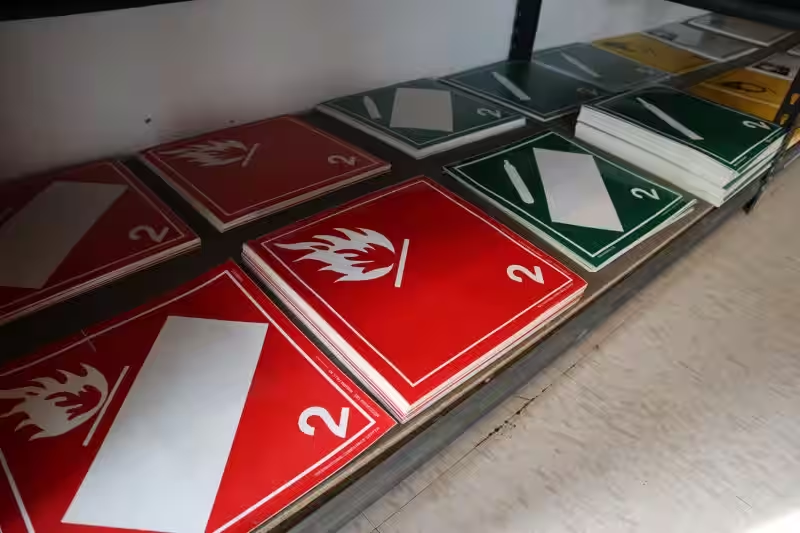
Always comply with all relevant regulations and guidelines for hazardous materials, dangerous goods, and international shipments. These regulations vary widely, and non-compliance can result in significant fines or delays. Consult the relevant authorities and carriers for the most up-to-date information.
Careful planning and meticulous cargo packing will pay dividends by ensuring your goods arrive safely and on schedule. Ignoring these critical steps can lead to costly mistakes and damaged goods. The investment in proper cargo packing is an investment in the success of your business.
Cargo Packing FAQ
What are the essential considerations when choosing cargo packaging?
The most crucial factor is understanding your cargo's specific needs. Consider its fragility, weight, size, and the environmental conditions during transit (temperature, humidity, vibration). Ignoring these could lead to damage, spoilage, and added costs. You should also account for any relevant regulations, such as those governing dangerous goods or wood packaging materials.
What are the different types of packaging materials and their uses?
Several materials offer different levels of protection:
Corrugated Cardboard: Cost-effective, suitable for less fragile items. Strength varies based on layers and flute type.
Wood: Strong and durable for heavier items, but subject to phytosanitary regulations.
Plastic: Versatile in shape and size, often water-resistant and impact-resistant. Different types offer varying strength. Consider the environmental impact.
Metal: Superior protection for valuable or sensitive goods, but heavier and more expensive.
The best material depends on your cargo's specific requirements.
What are some common packaging designs?
Several designs optimize handling and protection:
Pallets: Essential for efficient stacking and handling, often used with other materials. Different types exist (wood, plastic).
Crates and Boxes: Offer varying protection based on construction and materials. Choose designs optimized for your goods and transport method.
Flexible Packaging: Includes bags, pouches, and wraps, often for smaller items or supplemental protection. Material selection is critical.
How do I properly package barrels and similar containers?
Barrels should be upright, securely fastened (banded/strapped), and potentially shrink-wrapped or banded together. Clear orientation arrows/labels are mandatory. For narrow-body flights, use an overpack (box). Similar considerations apply to cans, drums, jerricans, and pails. Wide-body flights are generally preferred for these items in their original containers.
What are the regulations concerning dangerous goods?
Shippers are responsible for complying with IATA Dangerous Goods Regulations. This applies to items like dry ice, oxygen containers (full), blood and urine samples. Full oxygen containers are classified as restricted articles. Empty oxygen containers are not restricted if free of dangerous residue. Failure to comply can result in significant penalties.
What special considerations apply to specific items?
Animal Shipments: Require special instructions (consult relevant guidelines).
Pole-Vaulting Equipment: Must be in a rectangular package or strapped to a narrow pallet to prevent rolling.
Always check for any specific requirements for your type of cargo.
What is the importance of clear labeling?
Clear labeling is crucial for all packages, especially barrels, indicating orientation and contents. This ensures proper handling and reduces the risk of damage or misdirection.
What should I do if I have questions about cargo packaging or encounter a FedEx system issue?
If you encounter a FedEx system issue, contact customer service at 1.800.GoFedEx (1.800.463.3339). For questions regarding cargo packaging, consult the relevant guidelines for your specific carrier and cargo type. Thorough planning and adherence to regulations are critical for safe and efficient cargo transport.