Understanding the Crucial 3 Points of Contact Sign and Safety
Understanding the Crucial 3 Points of Contact Sign and Safety
Maintaining safety, especially when working at heights, is paramount. A common yet vital principle in preventing falls is the three points of contact rule. This simple yet effective guideline significantly reduces the risk of accidents, injuries, and even fatalities. This article will delve into the significance of the 3 points of contact sign and how adhering to this principle can save lives.
The three-point contact rule is a fundamental safety principle that emphasizes maintaining consistent body support while working at heights or navigating precarious situations. It dictates that at any given moment, you should have three points of contact with a stable surface. This typically translates to two hands and one foot, or two feet and one hand, depending on the specific task and situation.
The rule isn't just a suggestion; it's a cornerstone of workplace safety protocols and should be rigorously followed. This proactive measure is far more effective and less costly than dealing with the consequences of a fall.
Why is the Three-Point Contact Rule Important?
Maintaining three points of contact minimizes the risk of losing balance and falling. Even a momentary loss of balance can lead to serious injuries, including fractures, sprains, head trauma, and even death. The severity of these injuries often correlates directly with the height of the fall.
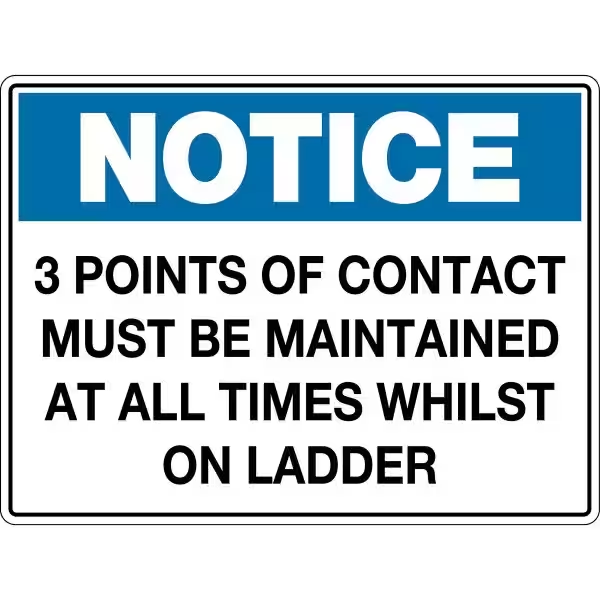
Imagine trying to climb a ladder with only one hand and one foot. A slight slip or sudden movement could send you tumbling. By maintaining three points of contact, however, you create a much more stable base, reducing the chance of such an event. The 3 points of contact sign serves as a visual reminder of this crucial safety principle.
Applying the Three-Point Contact Rule in Different Scenarios
The three-point contact rule applies to various situations, including:
Accessing the Rear of Trucks
When accessing the rear of a truck, always maintain three points of contact with the vehicle's structure. This might involve:
Gripping handrails or ladder rungs firmly with both hands.
Keeping at least one foot securely planted on a stable surface, such as a step or the truck bed.
Never rush or attempt to access the rear of a truck while distracted or unbalanced. Maintaining a steady and controlled movement is key. The presence of a clear 3 points of contact sign near loading docks reinforces this crucial safety protocol.
Using Staircases
Handrails aren't just decorative additions to staircases; they're essential safety features designed to provide the third point of contact needed for balance. Even if you feel confident in your balance, using the handrail is a proactive measure that significantly reduces the risk of tripping, especially when carrying objects or navigating challenging conditions like icy or wet surfaces.
Using the handrail provides that crucial third point of contact, greatly enhancing stability and reducing the risk of falling. A simple 3 points of contact sign near stairwells acts as a constant reminder of this important safety rule.
Other Elevated Work Situations
The principle extends beyond trucks and staircases. It applies to any situation involving elevated work or access, including scaffolding, ladders, and other elevated platforms. The core concept remains the same: maintain a stable and controlled posture to avoid falls.
Consequences of Ignoring the Three-Point Contact Rule
Ignoring the three-point contact rule can lead to serious consequences:
Falls and Injuries: The most immediate consequence is the risk of falling, resulting in potentially severe injuries.
Increased Medical Costs: Treatment for fall-related injuries can be expensive, adding financial burdens to individuals and organizations.
Lost Productivity: Injuries resulting from falls can lead to lost workdays, impacting productivity and efficiency.
Legal Liabilities: Companies and organizations that fail to enforce safety protocols, including the three-point contact rule, may face legal liabilities and penalties.
A 3 points of contact sign serves not only as a reminder but also as a demonstration of commitment to workplace safety – a commitment that protects both employees and the company's reputation.
Promoting and Enforcing the Three-Point Contact Rule
Organizations should actively promote and enforce the three-point contact rule through various measures:
Training and Education: Provide comprehensive training to employees on the importance of the three-point contact rule and how to apply it correctly in various situations.
Clear Signage: Use clear and visible signage, such as the 3 points of contact sign, to remind employees of the rule in relevant areas.
Regular Inspections: Conduct regular inspections to ensure that safety standards are being maintained and that the three-point contact rule is being consistently followed.
Enforcement and Accountability: Establish clear consequences for employees who fail to adhere to the three-point contact rule.
By actively promoting and enforcing this simple yet effective rule, organizations can create a safer work environment, reduce accidents, and protect their employees. The 3 points of contact sign is a vital tool in this process, serving as a constant, visible reminder of this crucial safety principle.
Frequently Asked Questions: The Three-Point Contact Rule
What is the three-point contact rule?
The three-point contact rule is a crucial safety guideline emphasizing maintaining consistent body support while accessing elevated areas. It mandates that at all times, you have two hands and one foot (or two feet and one hand) securely in contact with a stable surface. This prevents falls and associated injuries.
Why is the three-point contact rule important?
Maintaining three points of contact significantly reduces the risk of falls. Activities like climbing into a truck bed or using stairs inherently involve instability. Losing even momentary balance can lead to falls resulting in fractures, sprains, head trauma, and other severe injuries, especially at heights. The three-point contact rule is a proactive measure to prevent these accidents.
How does the three-point contact rule apply to accessing the rear of a truck?
When accessing a truck's rear, always maintain contact with the vehicle's structure using both hands and at least one foot. This could mean gripping handrails, ladder rungs, or the truck bed itself while maintaining a stable footing. Never rush or attempt to access the truck while distracted or unbalanced. This increases the likelihood of an accident dramatically.
How does the three-point contact rule apply to using stairs?
When ascending or descending stairs, handrails are not optional; they are crucial. They provide the necessary third point of contact for balance and fall prevention. Even if you feel confident in your balance, using the handrail reduces the chance of stumbling, especially when carrying objects or navigating slippery surfaces.
Does the three-point contact rule apply only to trucks and stairs?
No, the principle extends to any situation involving elevated work or access. The core concept remains consistent: always maintain a stable and controlled posture to prevent falls. This rule applies to ladders, scaffolding, and any other situation where a fall could be dangerous.
What are the consequences of ignoring the three-point contact rule?
Ignoring this rule significantly increases the risk of falls and associated injuries. The severity of these injuries can range from minor sprains to life-threatening head injuries and fractures. Beyond the personal suffering, organizations may face increased liability and costs associated with workplace accidents. Proactive safety measures are far more cost-effective than treating the consequences of injuries.