Understanding the China Textile Factory Landscape: Your Guide to Sourcing
Understanding the China Textile Factory Landscape: Your Guide to Sourcing
Finding the right China textile factory can be a game-changer for your business. The sheer scale and diversity of the Chinese textile industry can feel overwhelming, but understanding its key players and processes can unlock significant advantages. This article will guide you through the intricacies of sourcing textiles from China, helping you navigate this vast and dynamic market.
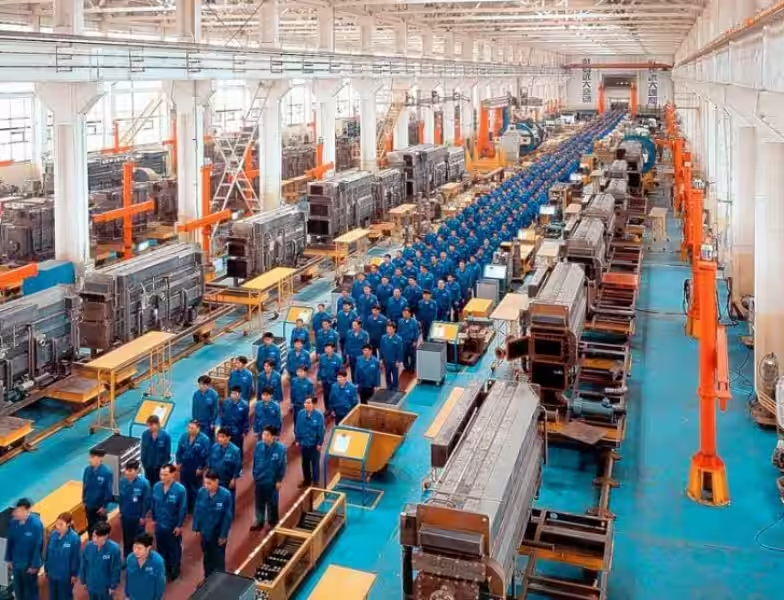
China's textile industry reigns supreme on the global stage. The country's export figures consistently reflect its dominance. In the first four months of 2025 alone, total textile and apparel exports soared to a staggering $90.466 billion, a testament to the industry's enduring strength. This slight year-on-year increase underlines its resilience and continued growth potential. A closer look at textile exports (excluding apparel) reveals a 3.8% growth to $45.847 billion, demonstrating healthy expansion within the core textile sector. This impressive performance is driven by a diverse range of manufacturers, each contributing unique strengths to the overall success.
This consistent growth isn't just a matter of sheer volume; it's also a result of increasing specialization and innovation. Many factories are moving beyond basic production, focusing on niche markets and high-value-added products. This shift towards specialization allows Chinese manufacturers to compete effectively on a global scale, not just on price, but also on quality and innovation.
Key Players in the Chinese Textile Industry
The Chinese textile industry isn't a monolithic entity; it's a vibrant ecosystem of companies, each with its own area of expertise. Here are some examples of leading manufacturers, showcasing the diversity within the sector:
Ningbo Comfort Import & Export Co., Ltd.: Known for its comprehensive product portfolio, ranging from fabrics and yarns to ready-to-wear garments and home textiles. Their focus on quality and sustainable practices sets them apart.
Shandong Jining Ruyi Wool Textile Co., Ltd.: A specialist in premium wool fabrics, particularly worsted fabrics used in high-end menswear. Their expertise lies in creating luxurious and durable fabrics.
Shenghong Holding Group Co., Ltd.: This Fortune Global 500 company is a leader in synthetic fibers and fabrics, showcasing advanced technological capabilities and a commitment to innovation. Their sustainable practices are another key differentiator.
Tongkun Holding Group Co., Ltd.: A global giant in polyester fiber production, boasting massive production capacity and a wide array of innovative polyester products. Their scale allows for competitive pricing without compromising quality.
This list represents just a fraction of the many successful companies operating in China. The variety of specializations highlights the breadth and depth of the Chinese textile industry, offering a wide range of options for international buyers.
Finding the Right China Textile Factory for Your Needs
Navigating this complex landscape requires a strategic approach. Here's how to identify reliable suppliers:
Utilize Sourcing Companies: These specialized firms possess extensive knowledge of the Chinese market and can help you connect with suitable factories based on your specific requirements.
Attend Trade Fairs: Events like the Canton Fair provide a valuable opportunity to meet manufacturers firsthand, compare products, and establish direct contact.
Leverage Online B2B Platforms: Platforms like Alibaba and Global Sources offer a vast directory of Chinese textile manufacturers, allowing you to filter by product, location, and certifications.
Seek Industry References: Networking within the industry can provide valuable recommendations and insights into reliable suppliers. Talking to other businesses that source from China can save you time and potential disappointments.
Importing Textiles from a China Textile Factory: Key Considerations
Once you've identified potential suppliers, the importing process requires careful planning and attention to detail. Here are some crucial aspects to consider:
Customs Duties and Regulations: Understand the import regulations in your country and any applicable tariffs on textile products from China.
Logistics and Shipping: Factor in shipping costs, transit times, and insurance for your shipment. Choosing a reliable freight forwarder is essential.
Quality Control: Establish a rigorous quality control process, including inspections at various stages of production and upon delivery. This is crucial to ensure you receive products that meet your standards.
Payment Terms: Negotiate clear payment terms with your supplier, considering options like Letters of Credit or escrow services to mitigate risks.
Legal Aspects: Ensure your contracts are legally sound, protecting your interests and addressing potential disputes.
The process of importing from a China textile factory requires meticulous planning and proactive management. But by addressing these key areas, you can greatly minimize potential challenges and maximize the benefits of sourcing from this dynamic market. Remember that building strong relationships with reliable suppliers is key to long-term success.
Frequently Asked Questions about Chinese Textile Factories
What is the current state of the Chinese textile industry?
China's textile industry remains a global leader, experiencing significant export growth. In the first four months of 2025 alone, total textile and apparel exports reached a substantial figure, indicating continued strength and dominance in the international market. This growth encompasses both textile exports (yarns and fabrics) and apparel, showcasing a diverse and robust sector.
Who are some of the leading Chinese textile manufacturers?
Several prominent companies represent the breadth of the Chinese textile industry. These include large, established firms offering diverse product ranges like Ningbo Comfort Import & Export Co., Ltd. (fabrics, yarns, garments, home textiles), and specialized manufacturers such as Shandong Jining Ruyi Wool Textile Co., Ltd. (premium wool fabrics), and Tongkun Holding Group Co., Ltd. (a global leader in polyester fiber production). Other key players demonstrate expertise in various areas, from synthesized fibers (Shenghong Holding Group Co., Ltd.) to high-end yarn-dyed fabrics (Lu Thai Textile Co., Ltd.). This variety reflects the industry's comprehensive capabilities.
How can I find reliable textile suppliers in China?
Several effective methods exist for identifying trustworthy suppliers. Utilizing sourcing companies that specialize in connecting buyers with verified manufacturers offers a streamlined and secure approach. Attending trade fairs provides opportunities for direct interaction and assessment of potential partners. Leveraging online B2B platforms allows you to explore a wide range of options and compare offerings. Finally, seeking industry references and conducting thorough due diligence are crucial steps in ensuring a reliable partnership.
What are the typical costs and considerations when importing textiles from China?
Importing textiles from China involves various costs, including production costs, shipping fees, customs duties, and potential intermediary charges. It's essential to factor in all these elements when budgeting. Beyond costs, understanding and complying with relevant regulations, customs procedures, and import requirements are crucial for a smooth process. Thorough planning and strategic partnership development are vital for navigating the complexities of international trade.
What is the focus on sustainability within the Chinese textile industry?
Many Chinese textile manufacturers are increasingly emphasizing sustainable practices. Several leading companies highlight their commitment to eco-friendly production methods, utilizing recycled materials and implementing measures to reduce their environmental footprint. This growing awareness reflects a broader global trend and a response to consumer demand for ethical and environmentally responsible products.
What technological advancements are shaping the Chinese textile industry?
The Chinese textile industry is actively investing in research and development and adopting advanced technologies to enhance efficiency, improve product design, and drive innovation. This includes the use of digital technologies throughout the supply chain and the development of innovative materials and processes. This commitment to technological advancement positions the industry for continued growth and competitiveness.
Are there any upcoming Chinese textile trade fairs I should know about?
While specific dates and locations for 2025 trade fairs weren't provided in the original information, researching upcoming events focused on textiles and apparel in China is recommended. Many industry-specific websites and publications will provide up-to-date information on trade shows and exhibitions relevant to your interests. These events are valuable for networking, sourcing, and staying informed about industry trends.