Hose Whip Check: Ensuring Safety in High-Pressure Systems
Hose Whip Check: Ensuring Safety in High-Pressure Systems
A hose whip check is a critical safety device that prevents serious injuries and equipment damage in pneumatic systems. This seemingly simple component plays a vital role in mitigating the hazards associated with high-pressure hose failures. Understanding its function, installation, and importance is crucial for anyone working with pressurized hoses.
The primary function of a hose whip check, also known as a whip arrestor or hose choker cable, is to restrain a pressurized hose in the event of a connection failure. Without this safety mechanism, a sudden disconnection can cause the hose to whip violently, potentially striking personnel or damaging nearby equipment. This uncontrolled movement is what makes the hose whip check so essential.
Imagine a high-pressure air hose suddenly disconnecting from a pneumatic tool. The released air creates a forceful ejection, propelling the hose with considerable energy. The whip check acts as a safety net, preventing this dangerous whipping action. This simple device can be the difference between a minor incident and a serious accident.
How Hose Whip Checks Work and Their Installation
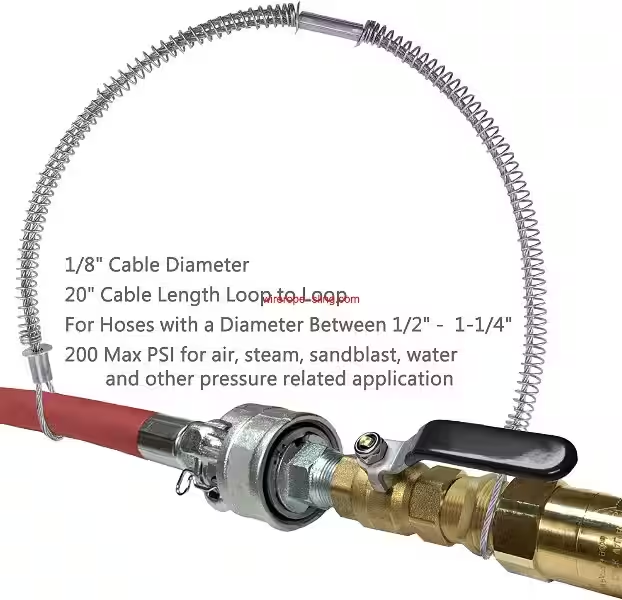
Hose whip checks typically consist of a spring-loaded cable loop that is secured around the hose couplings. These cables are designed to withstand significant force, effectively containing the hose's movement during a failure. Proper installation is key to their effectiveness.
The loop should be slipped over the couplings, ensuring a snug fit with no slack. Fully extending the cable before securing it eliminates any potential for the hose to slip out of the restraint. Incorrect installation can significantly compromise the safety provided by the whip check. Always refer to the manufacturer's instructions for specific installation details. Regular inspection is also crucial.
Choosing the Right Hose Whip Check
Hose whip checks are available in various sizes to accommodate different hose diameters. It's essential to choose the correct size for your specific application to ensure proper fit and restraint. Incorrect sizing can render the whip check ineffective.
The material of the whip check is also an important consideration. For corrosive environments, stainless steel versions are frequently preferred. Always check the manufacturer's specifications to determine the appropriate material and size for your particular application and working conditions. Correct hose whip check selection is a cornerstone of effective safety procedures.
Compliance and Regulations
While not always directly certified by organizations like OSHA (Occupational Safety and Health Administration) or MSHA (Mine Safety and Health Administration), effective hose whip checks are designed to comply with relevant safety regulations. These regulations often mandate the use of safety restraints for high-pressure hose connections exceeding certain diameters.
For example, regulations may specify the need for safety chains or locking devices on high-pressure hose lines of ¾ inch or larger. The use of a hose whip check aligns with the spirit and intent of these regulations, providing an effective means of preventing uncontrolled hose whiplash and the resulting hazards. Understanding these regulations and their implications is vital for maintaining a safe work environment.
Maintenance and Replacement
Regular inspection of hose whip checks is vital for maintaining their effectiveness. Look for any signs of wear, damage, or corrosion that might compromise their ability to restrain the hose. Any damaged whip check should be immediately replaced.
Furthermore, it's crucial to replace a whip check after any failure incident, even if it appears undamaged. The stress experienced during a hose failure may have weakened the cable internally, rendering it unreliable. This preventative measure is essential for maintaining the integrity of your safety system. Neglecting this can have potentially devastating consequences.
Beyond the Basics: Advanced Safety Measures
While hose whip checks are an essential component of a comprehensive pneumatic hose safety system, they are not the only safety measure. Other crucial elements include:
Pneumatic check valves: These valves prevent sudden pressure surges that can lead to hose failures.
Safety clips: These clips provide additional security for hose connections, further reducing the risk of disconnections.
Regular hose inspections: Identifying and addressing wear and tear on hoses before they fail is essential for preventing accidents.
Implementing these measures collectively creates a robust safety system, minimizing the risk of accidents related to pneumatic hose failures.
Conclusion: Prioritizing Hose Safety
The hose whip check, combined with other safety measures, is an indispensable part of operating high-pressure pneumatic systems safely. Its importance cannot be overstated. By understanding its function, proper installation, and maintenance requirements, you can significantly reduce the risk of injuries and equipment damage caused by uncontrolled hose whiplash. Regular inspections and adherence to safety protocols are paramount to maintaining a safe and productive work environment. Remember that a hose whip check is not merely a component; it's a crucial element in safeguarding lives and property.
Hose Whip Check FAQ
What is a hose whip check?
A hose whip check, also known as a whip arrestor or hose choker cable, is a crucial safety device designed to prevent injuries caused by uncontrolled hose movement in pneumatic systems. It's a spring-loaded loop that restrains a pressurized hose if a connection fails, preventing it from whipping around and potentially harming personnel or equipment. This is especially important for hoses larger than ½ inch in diameter.
Why are hose whip checks necessary?
High-pressure hoses contain significant energy. If a connection fails, the sudden release of pressure can cause the hose to whip violently, posing a serious risk of injury or damage. Hose whip checks mitigate this risk by containing the hose's movement. They are mandated for safety in many applications.
How are hose whip checks installed?
Installation is straightforward. The whip check is simply slipped over the hose coupling(s). It's critical to fully extend the cable to eliminate slack for maximum effectiveness. A properly installed whip check should securely grip the coupling. Installation should occur at every hose connection point, from the air source to the tool.
Hose whip checks are available in various sizes to accommodate hoses ranging from ½ inch to 4 inches in diameter. Different configurations exist for hose-to-hose and hose-to-tool connections (the latter usually having a larger loop on one side).
What materials are hose whip checks made of?
Common materials include galvanized steel and 304 stainless steel. Stainless steel versions with copper ferrules are available for corrosive environments.
What is the pressure rating of a hose whip check?
These devices are typically rated for 200 PSI air service and possess a 5X burst rating (meaning they can withstand 1000 PSI before failure), exceeding many industry standards.
Are hose whip checks compliant with safety regulations?
While not directly certified by OSHA or MSHA, hose whip checks are designed to comply with relevant regulations addressing the securing of pneumatic tools and high-pressure hose connections (e.g., OSHA 29 CFR § 1926.302(b)(1) and MSHA 30 CFR § 56.13021). These regulations often mandate safety chains or similar devices for hoses of ¾ inch or larger.
When should a hose whip check be replaced?
Regular inspection is crucial. A hose whip check should be replaced immediately after any failure incident, and also when exhibiting signs of wear or damage. Proactive replacement prevents further potential harm.
What should I do if I experience a hose failure?
If a hose failure occurs, immediately cease operations and assess the situation. Replace the damaged hose whip check before resuming work. Thoroughly inspect associated equipment for damage.
Where can I find more information?
Consult the manufacturer's documentation for detailed specifications, installation instructions, and safety information. Contact the manufacturer or a safety professional if you have any further questions. Always prioritize safe work practices when handling high-pressure pneumatic systems.