Understanding Roof Edge Protection: A Comprehensive Guide
Understanding Roof Edge Protection: A Comprehensive Guide
Roof edge protection is crucial for preventing falls from heights, a leading cause of serious injuries and fatalities on construction sites and in various industries. This guide will explore the vital aspects of roof edge protection, encompassing its types, regulations, and best practices.
There are several types of roof edge protection systems designed to address different roofing structures and work conditions. The most common include:
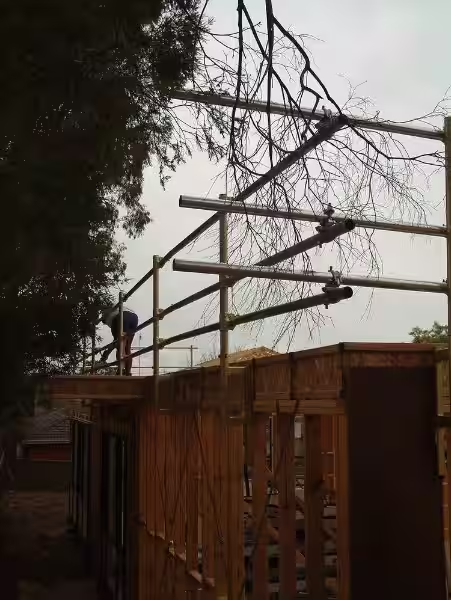
Guardrails are perhaps the most familiar form of roof edge protection. They typically consist of a toe board (preventing objects from falling), a mid-rail, and a top rail. This three-rail system provides a physical barrier, preventing workers from accidentally stepping over the edge. Their design and materials vary, depending on the specific needs of the site and the building's structure.
Another key component is a personal fall arrest system (PFAS), which is designed to catch a worker if they do fall. This system usually comprises a harness, a lanyard, and an anchor point securely attached to the building structure. PFAS is an essential backup to other forms of edge protection, offering a critical safety net in case of an accident. The choice between a guardrail system and a PFAS, or a combination of both, depends on the specific risk assessment of the job.
Other Protective Measures
Beyond guardrails and PFAS, other measures contribute to comprehensive roof edge protection. These include:
Warning Lines: Brightly colored lines marking the edge of the roof.
Safety Nets: Nets placed below the roof to catch falling workers or materials.
Roof Access Points: Secure and controlled access points to limit unauthorized access to the roof.
Fall Restraint Systems: Systems that prevent workers from reaching the edge of the roof in the first place.
These different systems often work in conjunction to create a layered approach to safety.
Regulations and Compliance for Roof Edge Protection
Adherence to relevant safety regulations and standards is paramount when implementing roof edge protection. These regulations are implemented to minimize risks and ensure worker safety. Neglecting these regulations can result in significant fines and even legal repercussions.
In the United States, the Occupational Safety and Health Administration (OSHA) sets comprehensive standards for fall protection. OSHA's regulations mandate the use of fall protection equipment for workers at heights of six feet or more. These regulations specify the types of equipment permissible, their proper installation, and their regular inspection.
The specific requirements often vary based on the nature of the work, the height of the fall, and the type of roof. The responsibility for ensuring compliance typically falls on the employer, who must provide the necessary training, equipment, and supervision to maintain a safe work environment. Regular inspections and maintenance of the roof edge protection systems are also crucial to ensure their continued effectiveness.
International Standards
Similar regulations and standards exist in other countries. For instance, the European Union has its own directives and standards concerning workplace safety, including fall protection. These regulations often align with international standards developed by organizations like ISO. Staying updated on the latest regulations and standards is essential for maintaining compliance and ensuring worker safety.
Best Practices for Roof Edge Protection
Beyond simply adhering to regulations, implementing best practices significantly enhances the effectiveness of roof edge protection systems. These practices go beyond the minimum legal requirements, focusing on a proactive and comprehensive approach to safety.
Regular inspections are crucial; the systems should be checked for damage, wear, and tear before each use. This preventative approach allows for timely repairs or replacements, preventing accidents. Workers should receive thorough training on the proper use and maintenance of all equipment, emphasizing safe practices. Additionally, ensuring that all equipment is properly maintained and regularly inspected reduces the risk of failure during use. The employer has the responsibility to provide this training and ensure the maintenance schedule is followed.
Implementing a Culture of Safety
Finally, implementing a strong safety culture within the workplace is paramount. This involves fostering open communication, empowering workers to report safety concerns without fear of reprisal, and regularly reviewing and updating safety procedures. Regular safety meetings and training sessions reinforce the importance of safety regulations and best practices. By creating a culture of safety, the workplace becomes more proactive in preventing accidents and promoting a safer environment for everyone. This proactive approach, combined with appropriate roof edge protection, significantly reduces the risk of falls and improves overall safety.
Here are some frequently asked questions about roof edge protection. Please note that specific details regarding product features, regulations, and compliance will vary depending on location and the specific system used. This FAQ provides general information.
What is roof edge protection?
Roof edge protection encompasses a range of systems and measures designed to prevent falls from the edges of roofs. This includes physical barriers like guardrails, safety nets, and warning lines, as well as personal protective equipment (PPE) such as harnesses and lifelines. The goal is to create a safe working environment and minimize the risk of serious injury or fatality.
Why is roof edge protection important?
Falls from roofs are a leading cause of serious injuries and fatalities in construction and other industries. Roof edge protection significantly reduces this risk by providing a barrier or safety system to prevent falls or mitigate their impact. It's a critical component of overall workplace safety and compliance with relevant regulations.
What types of roof edge protection systems are available?
Several systems exist, each with its strengths and weaknesses depending on the specific application and roof type. Common systems include:
Guardrails: These consist of a toe board, mid-rail, and top rail, creating a physical barrier around the roof perimeter.
Safety Nets: Nets are installed below the roof edge to catch falling workers.
Warning Lines: Highly visible lines mark the perimeter of the roof, alerting workers to the edge.
Personal Fall Arrest Systems (PFAS): These systems include harnesses, anchor points, and lifelines to arrest a fall and prevent impact.
Fall Restraint Systems: These systems prevent a worker from reaching the edge of the roof in the first place.
What are the legal requirements for roof edge protection?
Legal requirements vary by location (country, state, etc.). However, most jurisdictions have regulations mandating fall protection for workers at heights, often requiring roof edge protection or alternative fall arrest systems when working six feet or more above a lower level. It's crucial to consult local and national OSHA (or equivalent) regulations for specific requirements in your area.
How do I choose the right roof edge protection system?
The best system depends on several factors:
Roof type and structure: Different systems are suitable for various roofing materials and designs.
Height of the roof: The height will influence the choice of system and the need for additional safety measures.
Type of work being performed: The nature of the work will dictate the level of protection required.
Budget and available resources: Cost and practicality are also significant considerations.
Who is responsible for providing and maintaining roof edge protection?
The responsibility typically lies with the employer or property owner. They are legally obligated to provide a safe working environment and ensure that appropriate roof edge protection systems are in place and properly maintained.
What is the role of regular inspection and maintenance?
Regular inspection and maintenance are vital to ensure the continued effectiveness of roof edge protection systems. Regular checks should identify any damage, wear, or deterioration that could compromise safety. Damaged components must be repaired or replaced promptly.
What should I do in case of a roof edge accident?
In the event of a fall or near-miss, immediately call emergency services. Follow your company's emergency response plan and ensure the scene is secured to prevent further incidents. Document the incident thoroughly for investigation and future prevention.
This FAQ offers a general overview. For specific details about your situation, consult relevant safety regulations and professionals experienced in roof edge protection.