SDS for Sodium Carbonate: Understanding the Safety Data Sheet
SDS for Sodium Carbonate: Understanding the Safety Data Sheet
Understanding the safety aspects of any chemical is crucial, especially when handling substances like sodium carbonate. This article aims to demystify the Sodium Carbonate Safety Data Sheet (SDS), providing a clear and accessible guide to its key information. Often, the information presented in an SDS can seem overwhelming, so we'll break down the vital points to ensure you're well-informed.
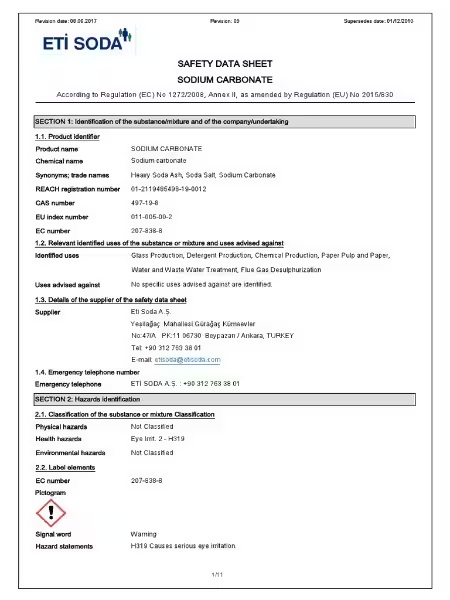
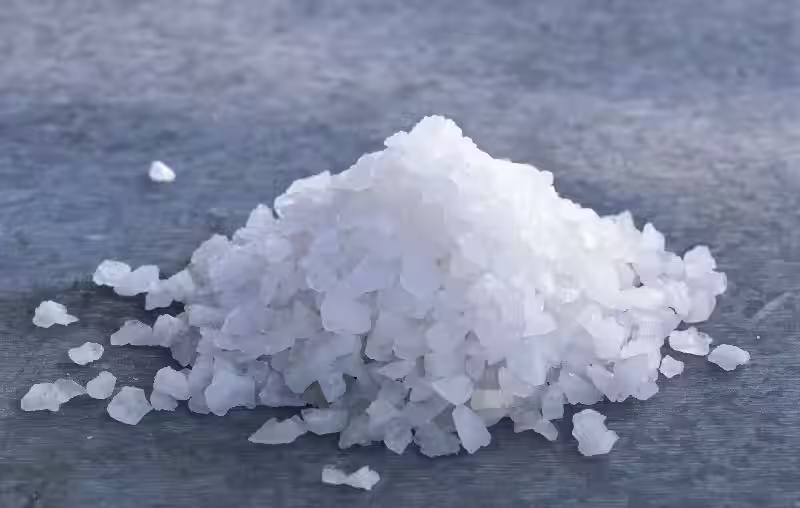
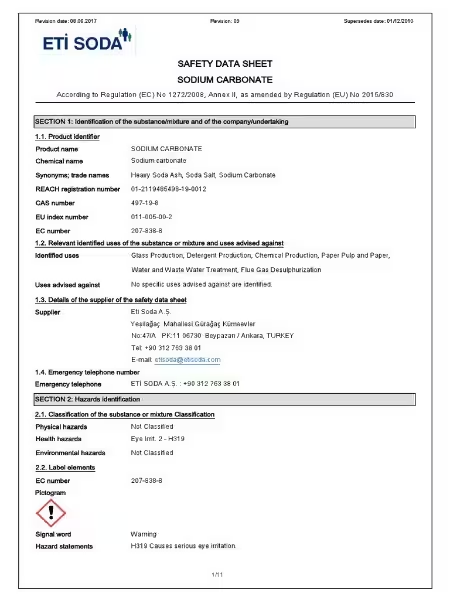
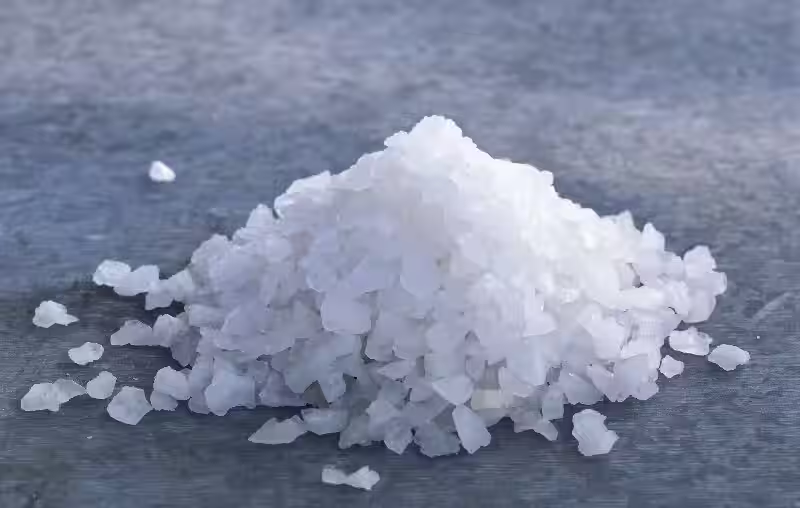
Sodium carbonate, also known as soda ash, is a versatile chemical with numerous industrial and domestic applications. However, like any chemical, it presents certain hazards that require careful consideration. The SDS for sodium carbonate clearly outlines these potential risks.
The SDS highlights that while generally considered relatively low-hazard, Sodium Carbonate isn't entirely innocuous. It's crucial to remember that even mild irritants can cause significant discomfort and require prompt attention if exposure occurs. Always prioritize safety precautions to minimize risk.
Acute Health Effects
Several acute health effects are listed in the SDS, primarily focusing on potential irritation:
Oral Toxicity (Category 5): Ingestion can cause harm (H303). This is categorized as a relatively low level of acute oral toxicity, meaning large quantities would be needed to cause significant harm. Still, ingestion should be avoided, and first aid involves rinsing the mouth and contacting medical professionals if symptoms appear.
Skin Irritation (Category 3): Sodium carbonate can cause mild skin irritation (H316). This necessitates prompt washing of the affected area with plenty of water. If irritation persists, seek medical advice.
Eye Irritation (Category 2A): This is a more serious concern. Sodium carbonate can cause serious eye irritation (H319). Immediate and thorough flushing of the eyes with water is paramount, followed by medical attention if irritation persists or vision is affected.
These points emphasize the importance of proper handling procedures and the use of Personal Protective Equipment (PPE).
Safe Handling and Storage of Sodium Carbonate
Proper handling and storage are crucial to minimize risks associated with sodium carbonate. The SDS provides detailed guidance on these aspects.
Sodium carbonate is a hygroscopic substance, meaning it readily absorbs moisture from the air. This can lead to clumping and degradation of the product. Therefore, storage in a tightly sealed container in a cool, dry location is essential.
Furthermore, the SDS stresses the importance of keeping sodium carbonate away from incompatible materials, particularly acids. A vigorous reaction occurs when sodium carbonate comes into contact with acids, producing heat and potentially dangerous byproducts. Keeping it separate from aluminum is also key due to potential reactivity.
Personal Protective Equipment (PPE)
The SDS mandates the use of appropriate PPE during handling. This typically includes:
Gloves: Chemical-resistant gloves are necessary to prevent skin contact.
Protective Clothing: Depending on the scale of handling, protective clothing may be needed to prevent larger-scale exposure.
Eye Protection: Safety glasses or goggles are essential to shield the eyes from potential splashes or dust.
Toxicological and Environmental Information
The SDS offers further insights into the toxicological profile and environmental impact of sodium carbonate.
While the SDS doesn't detail chronic effects (N.A.), it flags sodium carbonate for further investigation as a potential mutagen. This highlights the ongoing research into the long-term effects of exposure. LD50 values, which represent the lethal dose for 50% of test subjects, are provided for oral and inhalation exposure in rats. These values give an indication of the relative toxicity.
The SDS also provides ecological data, including LC50 and EC50 values for fish and daphnia. These values indicate the potential for environmental impact, highlighting the importance of responsible disposal and preventing accidental release into the environment.
Disposal and Transportation
The SDS outlines the proper disposal procedures for sodium carbonate, emphasizing compliance with all relevant federal, state, and local regulations. While the SDS may suggest a specific disposal method, it is the user's responsibility to verify that the method complies with all applicable regulations in their area.
Importantly, the SDS specifies that sodium carbonate is not regulated as a hazardous material for shipping purposes under standard transportation guidelines. This simplifies transportation, but proper packaging and labeling are still essential to maintain product integrity and prevent spillage.
Conclusion: Responsible Use of Sodium Carbonate
The SDS for sodium carbonate provides essential information for safe handling, storage, and disposal. While sodium carbonate is generally considered a relatively low-hazard substance, understanding its potential risks and following the safety guidelines outlined in the SDS is paramount. By adhering to these guidelines, users can minimize risks and ensure safe operation. Always remember to consult the complete SDS provided by your supplier for the most accurate and up-to-date information. This article serves as a guide, but it’s imperative to follow the specific instructions provided with your specific product.
Sodium Carbonate SDS: Frequently Asked Questions
Here are some frequently asked questions about the safety data sheet (SDS) for sodium carbonate (Na₂CO₃), also known as soda ash:
What are the acute health hazards associated with sodium carbonate?
Sodium carbonate poses several acute health risks. Ingestion may be harmful (Acute Toxicity, Category 5, Oral - H303). It can cause mild skin irritation (Skin Corrosion/Irritation, Category 3 - H316) and serious eye irritation (Serious Eye Damage/Irritation, Category 2A - H319). First aid measures involve immediate rinsing with water for skin and eye contact, and contacting a physician if symptoms persist or if ingested.
What are the first aid measures for sodium carbonate exposure?
First aid depends on the type of exposure:
Ingestion: Rinse the mouth and contact a poison center or physician.
Skin contact: Wash the affected area thoroughly with plenty of water. Seek medical attention if irritation persists.
Eye contact: Immediately flush eyes with plenty of water for several minutes. Seek medical attention if irritation continues.
Sodium carbonate is hygroscopic, meaning it absorbs moisture from the air. Therefore, it should be stored in a tightly sealed container in a cool, dry location. Keep it away from acids and aluminum, as it reacts vigorously with them.
What personal protective equipment (PPE) is recommended when handling sodium carbonate?
Appropriate PPE is essential when handling sodium carbonate. This includes gloves, protective clothing, and eye protection.
What is the toxicological information provided in the SDS?
The SDS classifies sodium carbonate as an irritant with acute effects. While chronic effects are not yet fully established (N.A.), it is flagged for further investigation as a potential mutagen. The SDS also provides LD50 values (lethal dose for 50% of test subjects) for oral and inhalation exposure in rats, indicating its relative toxicity.
What is the environmental impact of sodium carbonate?
The SDS includes ecological data (LC50 and EC50 values for fish and daphnia), highlighting its potential impact on aquatic life. Specific values would need to be referenced in the full SDS document.
How should sodium carbonate be disposed of?
Disposal of sodium carbonate must comply with all applicable federal, state, and local regulations. The SDS may suggest a specific disposal method, but users are responsible for verifying compliance with their local regulations.
Is sodium carbonate regulated as a hazardous material for transportation?
No, according to this SDS, sodium carbonate is not regulated as a hazardous material for shipping purposes.
What is the disclaimer included in the SDS?
The SDS includes a disclaimer stating that the provided information is for guidance only and does not constitute a warranty. Users should independently verify the information and adhere to all applicable laws and regulations.
Where can I find the complete SDS for sodium carbonate?
The complete SDS should be obtained from the supplier of the sodium carbonate. This FAQ only summarizes key points.