Brand to Brand Marketing: A New Era of Collaboration
The traditional marketing landscape is evolving. Companies are no longer solely focused on promoting their own products and services. Instead, they are embracing a new paradigm: brand to brand marketing. This approach involves strategic partnerships between brands, leveraging each other's strengths to create mutually beneficial outcomes.
What is Brand to Brand Marketing?
Imagine two brands, each with a loyal following and a unique brand identity. They join forces to create something new, something that resonates with their combined audience. This is the essence of brand to brand marketing. It's about collaborating to create shared value, expanding reach, and tapping into new market segments.
Think of it as a dance, where each brand brings its own moves and rhythms to create a dynamic, captivating performance. The key is to find partners that complement each other, creating synergy that amplifies each brand's impact.
Why Embrace Brand to Brand Marketing?
The benefits of brand to brand marketing are numerous:
- Increased Reach: Partnering with another brand opens up access to a wider audience, expanding your market reach and brand awareness.
- Enhanced Credibility: Collaborating with a reputable brand can boost your credibility and trustworthiness in the eyes of consumers.
- New Customer Acquisition: Brand partnerships can help attract new customers who might not have been aware of your brand before.
- Cost-Effective Marketing: By sharing resources and marketing efforts, brands can achieve greater impact at a lower cost.
- Innovation & Creativity: Joining forces can spark new ideas and foster innovation, leading to unique products, services, or campaigns.
Types of Brand to Brand Marketing
Brand to brand marketing takes various forms, each with its own unique benefits:
1. Co-Branding
This involves two or more brands collaborating to create a new product, service, or experience that combines their strengths. Examples include:
- Nike + Apple: The collaboration resulted in the Apple Watch Nike+, a smartwatch tailored for fitness enthusiasts.
- Starbucks + Spotify: The partnership offers Spotify Premium access to Starbucks Rewards members, creating a seamless integration of music and coffee.
2. Joint Promotions
Brands can collaborate on promotional campaigns, leveraging each other's audiences and resources to amplify reach and engagement. Examples include:
- McDonald's + BTS: This partnership featured limited-edition packaging and BTS-themed merchandise, generating significant buzz and social media engagement.
- Airbnb + Spotify: They launched a campaign offering curated playlists for different travel destinations, enhancing the Airbnb experience and expanding Spotify's reach.
3. Cross-Promotion
This involves brands promoting each other's products or services on their own platforms, creating a mutually beneficial exchange. Examples include:
- Disney + Marvel: Marvel characters are featured in Disney+ campaigns, while Disney movies are promoted on Marvel's social media channels.
- L'Oréal + Sephora: L'Oréal products are showcased in Sephora stores, while Sephora promotions are featured on L'Oréal's website.
Key Considerations for Successful Brand to Brand Marketing
While the potential benefits are significant, successful brand to brand marketing requires careful consideration:
1. Alignment of Values and Target Audiences
It's crucial to partner with brands that share similar values and target audiences. This ensures that the collaboration resonates with both brands' customer bases. For example, a luxury car brand would likely not partner with a budget grocery store.
2. Clear Goals and Objectives
Before entering a partnership, both brands must define their goals and objectives for the collaboration. What are they hoping to achieve? Increased brand awareness, sales growth, or a new customer segment? Having clear objectives ensures that both brands are working towards a common goal.
3. Effective Communication and Collaboration
Open and transparent communication is essential for a successful partnership. Both brands need to work together closely to ensure that all aspects of the collaboration are aligned, from marketing materials to customer service.
4. Measuring Results and Evaluating Performance
It's important to track the performance of the collaboration and measure its impact on both brands. This includes analyzing key metrics such as website traffic, sales, and social media engagement. This data will help identify what's working and what needs improvement.
Real-World Examples of Brand to Brand Marketing Success
Many brands have successfully leveraged brand to brand marketing to achieve their goals. Here are a few notable examples:
- Red Bull + GoPro: This partnership has been a perfect match, allowing Red Bull to showcase its extreme sports events and athletes using GoPro cameras, while GoPro benefits from the exposure to Red Bull's adrenaline-fueled audience.
- Netflix + Stranger Things: The streaming giant partnered with brands like Nike, Coca-Cola, and Eggo to promote the popular series, creating immersive experiences and generating significant buzz.
- Starbucks + Lyft: This collaboration offers Lyft users Starbucks rewards points, creating a seamless integration of transportation and caffeine, benefiting both companies.
Brand to Brand Marketing in the Future
The future of brand to brand marketing is bright. As consumers become increasingly discerning and demanding, companies will need to find creative and innovative ways to reach them. Brand partnerships offer a powerful avenue for achieving this goal, leveraging the collective strength of multiple brands to create a compelling and lasting impact.
The key takeaway? In an increasingly competitive marketplace, brand to brand marketing is not just a trend, it's a strategic necessity. By embracing collaboration and finding mutually beneficial partnerships, businesses can unlock new opportunities for growth and success.
Brand Marketing: What It Is + How to Create Your Strategy
What is Brand Marketing?
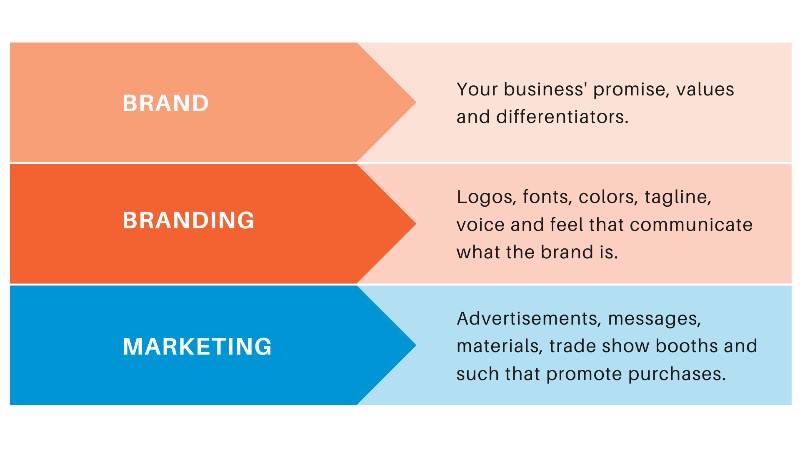
Brand marketing goes beyond promoting products or services; it's about building a story and connection around your brand as a whole. It defines your company's personality, encompassing its visual identity, tone of voice, and values. While marketing is the tool to reach your audience and generate sales, branding is the foundation that sets the stage for your marketing efforts.
The Power of Brand Marketing
Brand marketing is a long-term investment that creates a lasting impression and fosters loyalty among consumers. It is particularly effective for products purchased repeatedly or for high-value items like cars, where trust and brand recognition are essential.
Examples of Successful Brand Marketing
- Apple: Creates a lifestyle movement around its products, emphasizing innovation and design, and fostering a dedicated fan base.
- Nike: Embraces storytelling, weaving narratives into its marketing materials, connecting with consumers on an emotional level.
- McDonald's: Focuses on brand consistency, maintaining a recognizable logo and message for over 60 years, associating its brand with happiness.
Creating a Winning Brand Marketing Strategy
- Understand Your Brand Purpose: Define your brand's core values, target audience, and the unique problem it solves.
- Research Your Target Market: Develop customer personas to thoroughly understand your ideal customer, their needs, and motivations.
- Define and Sell Your Story: Craft a compelling narrative that connects your brand to your audience, fostering loyalty and brand recall.
- Get to Know Your Competitors: Analyze your competitors' strategies, identify your unique strengths, and highlight your differentiators.
- Create Brand Guidelines: Develop a comprehensive guide outlining your brand's visual identity, tone of voice, and messaging across all marketing channels.
Pitfalls to Avoid
- Skipping Competitor Research: Thoroughly analyze your competitors' strategies to avoid replicating their efforts and ensure your brand stands out.
- Inconsistent Creative Execution: Maintain a consistent visual style, tone of voice, and brand messaging across all marketing channels to avoid confusing your audience.
- Lacking a Long-Term Vision: Establish clear goals and a mission for your brand to ensure a focused and directed marketing strategy.
Conclusion
Brand marketing is crucial for building a successful business. By defining your brand purpose, understanding your target market, crafting a compelling story, and creating consistent brand guidelines, you can create a lasting impression and foster loyalty among your customers. Remember, brand marketing is a long-term investment that requires careful planning and consistent execution to achieve lasting success.