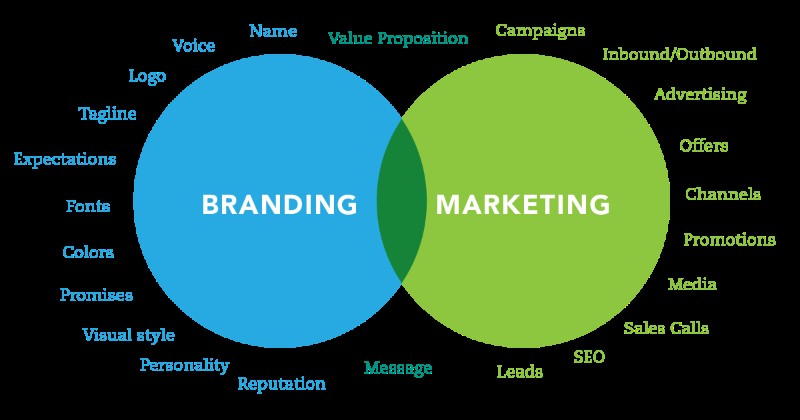
Branding and Marketing: A Powerful Partnership for Success
In the fast-paced world of business, getting your brand noticed and connecting with your target audience is paramount. While the terms "branding" and "marketing" are often used interchangeably, they represent distinct yet complementary forces that drive business success.
Understanding the Core of Branding
Imagine building a house. You wouldn't start by placing a roof without laying a strong foundation. Similarly, branding is the foundation upon which your marketing strategies are built. It's the essence of your company, encompassing its values, mission, and personality. Branding is about crafting a unique story that resonates with your target audience, building an emotional connection that goes beyond mere product features.
Think of Apple, a brand that transcends mere technology. Its sleek designs, minimalist aesthetics, and emphasis on user experience create a sense of sophistication and innovation. This carefully crafted brand identity translates into a loyal customer base who identify with Apple's philosophy, even if the products are not the most affordable in the market.
Key Elements of Branding
- Brand Identity: This is the visual representation of your brand, including logos, colors, fonts, and overall design aesthetic. It's important to maintain consistency across all touchpoints, from your website and social media to packaging and merchandise.
- Brand Values: These are the core principles that guide your company's actions and guide decision-making. They inform your brand voice, your customer service approach, and your overall approach to business.
- Brand Messaging: This is the clear and concise communication of your brand's values, mission, and unique selling proposition (USP). It's a consistent narrative that resonates with your target audience.
- Brand Experience: This encompasses all interactions customers have with your brand, from website navigation to customer service interactions to the unboxing of a product. It's about creating a memorable, consistent, and positive impression.
The Art of Marketing: Driving Engagement and Sales
While branding lays the foundation, marketing is the tool that brings your brand to life. This involves strategically communicating your brand's story to your target audience, engaging them, and ultimately driving sales. Marketing encompasses a wide array of activities, from traditional advertising to digital marketing strategies and content creation.
The Evolution of Marketing
Marketing has evolved dramatically with the rise of digital technology. Gone are the days of relying solely on print ads and television commercials. Today, marketers leverage a multitude of channels to reach their audience, including:
- Social Media Marketing: Building online communities, engaging with followers, and running targeted ad campaigns on platforms like Facebook, Instagram, and Twitter.
- Content Marketing: Creating valuable and engaging content like blog posts, articles, videos, and infographics to educate and entertain your target audience.
- Email Marketing: Building email lists and sending targeted messages to nurture leads and promote products or services.
- Search Engine Optimization (SEO): Optimizing your website content to rank higher in search results, making it easier for potential customers to find you.
- Paid Advertising: Running targeted ad campaigns on platforms like Google Ads and social media to reach specific demographics and interests.
Building a Powerful Marketing Strategy
Effective marketing requires a well-defined strategy that outlines your goals, target audience, key messages, and chosen channels. It's about understanding your customer journey, identifying their pain points, and presenting solutions that resonate with their needs.
For example, a company selling organic beauty products might target environmentally conscious consumers on Instagram and Pinterest, showcasing the natural ingredients and sustainable packaging. They might also create blog posts and videos about the benefits of organic skincare, establishing themselves as an authority in the field.
Branding and Marketing: A Synergistic Dance
While branding sets the stage and defines your identity, marketing is the instrument that plays the music. They work in tandem to create a powerful symphony that resonates with your audience:
- Branding provides a clear direction for marketing efforts, ensuring that all marketing activities align with the brand’s core values and messaging.
- Marketing amplifies the brand message, driving awareness and building brand equity.
- Strong branding makes marketing more effective, as customers are more receptive to messages from a brand they trust and admire.
Examples of Effective Branding and Marketing
Let's explore some real-world examples of companies that have successfully integrated branding and marketing to achieve remarkable results:
1. Nike: Just Do It
Nike's iconic swoosh logo and the powerful slogan "Just Do It" embody the brand's core values of athleticism, determination, and perseverance. The company effectively leverages these elements in its marketing campaigns, featuring athletes from diverse backgrounds and inspiring people to push their limits.
2. Red Bull: Giving Wings to People
Red Bull's branding goes beyond energy drinks, creating a lifestyle around extreme sports and adventure. They sponsor athletes, events, and competitions, associating their brand with an adrenaline-fueled, daring spirit. This branding strategy resonates with a target audience seeking excitement and pushing boundaries, creating a strong brand loyalty.
3. Patagonia: Environmental Advocacy
Patagonia's commitment to environmental sustainability is woven into its brand DNA. They actively advocate for environmental protection, donate a percentage of their profits to conservation efforts, and even encourage customers to repair their clothes instead of buying new ones. This honest and transparent approach has earned Patagonia a loyal following of environmentally conscious consumers.
The Importance of Consistency
In today's hyper-competitive market, consistency is key. Your brand identity, messaging, and overall experience must remain consistent across all platforms and touchpoints. This builds brand recognition, trust, and loyalty.
Consider a company that uses a bright, playful color palette and a casual tone on its website but then uses a formal tone and a different color scheme on its social media. This inconsistency can confuse customers and detract from the overall brand experience.
Measuring Success: Key Metrics
It's important to track the effectiveness of your branding and marketing efforts by monitoring key metrics:
- Brand Awareness: How familiar are people with your brand? This can be measured through surveys, social media engagement, and website traffic.
- Brand Perception: How do people view your brand? This can be assessed through online reviews, customer feedback, and sentiment analysis of social media mentions.
- Brand Loyalty: How often do customers return to your brand? This can be tracked through repeat purchase rates and customer retention.
- Marketing ROI: How effectively are your marketing campaigns driving sales? This can be measured through conversion rates, lead generation, and return on investment (ROI).
The Future of Branding and Marketing
The landscape of branding and marketing is constantly evolving, with new technologies and trends emerging all the time. Businesses need to adapt and stay ahead of the curve:
- Artificial Intelligence (AI): AI is being used to personalize marketing messages, optimize ad campaigns, and improve customer service experiences.
- Voice Search: With the rise of voice assistants like Alexa and Siri, businesses need to optimize their content for voice search queries.
- Video Marketing: Video is becoming increasingly popular, and businesses need to create compelling video content to engage their target audience.
- Social Commerce: Social media platforms are becoming increasingly integrated with e-commerce, allowing customers to purchase products directly from social media feeds.
Conclusion: A Journey of Growth and Evolution
In the digital age, branding and marketing are more important than ever. By understanding their distinct roles and working in synergy, businesses can build a strong brand that resonates with their target audience, drives engagement, and fosters long-term success.
The journey of branding and marketing is a continuous process of evolution, adaptation, and innovation. By staying informed about emerging trends, measuring results, and continuously refining their strategies, businesses can create a lasting impact in the competitive marketplace.
¿Qué es el branding?
El branding es la identidad general de una empresa, que abarca sus valores, ideales y ambiciones. Se trata de crear una impresión duradera en los consumidores, construir una conexión emocional y establecer una sólida reputación.
¿Qué es el marketing?
El marketing se centra en estrategias a corto plazo para promover productos y servicios. Implica el uso de diversos canales como el marketing digital, el marketing por correo electrónico y las redes sociales para atraer clientes e impulsar las ventas.
¿Cuál es la diferencia entre branding y marketing?
El branding es a largo plazo, mientras que el marketing es a corto plazo. El branding busca construir una identidad duradera, mientras que el marketing se centra en resultados inmediatos.
¿Cuál es la importancia del branding y el marketing?
Si bien ambos son esenciales, el branding siempre debe preceder al marketing. Una sólida base de marca proporciona una dirección clara para los esfuerzos de marketing, asegurando que los consumidores reconozcan y recuerden la marca detrás de la campaña de marketing.
¿Cómo puedo desarrollar un branding efectivo?
Cree un logotipo memorable, utilice esquemas de color distintivos y sea consistente en todos los canales.
¿Cómo puedo utilizar el marketing para promover mi marca?
Utilice el marketing digital, el marketing por correo electrónico y las redes sociales para llegar a su público objetivo, y asegúrese de que todos sus esfuerzos de marketing sean coherentes con su identidad de marca.